
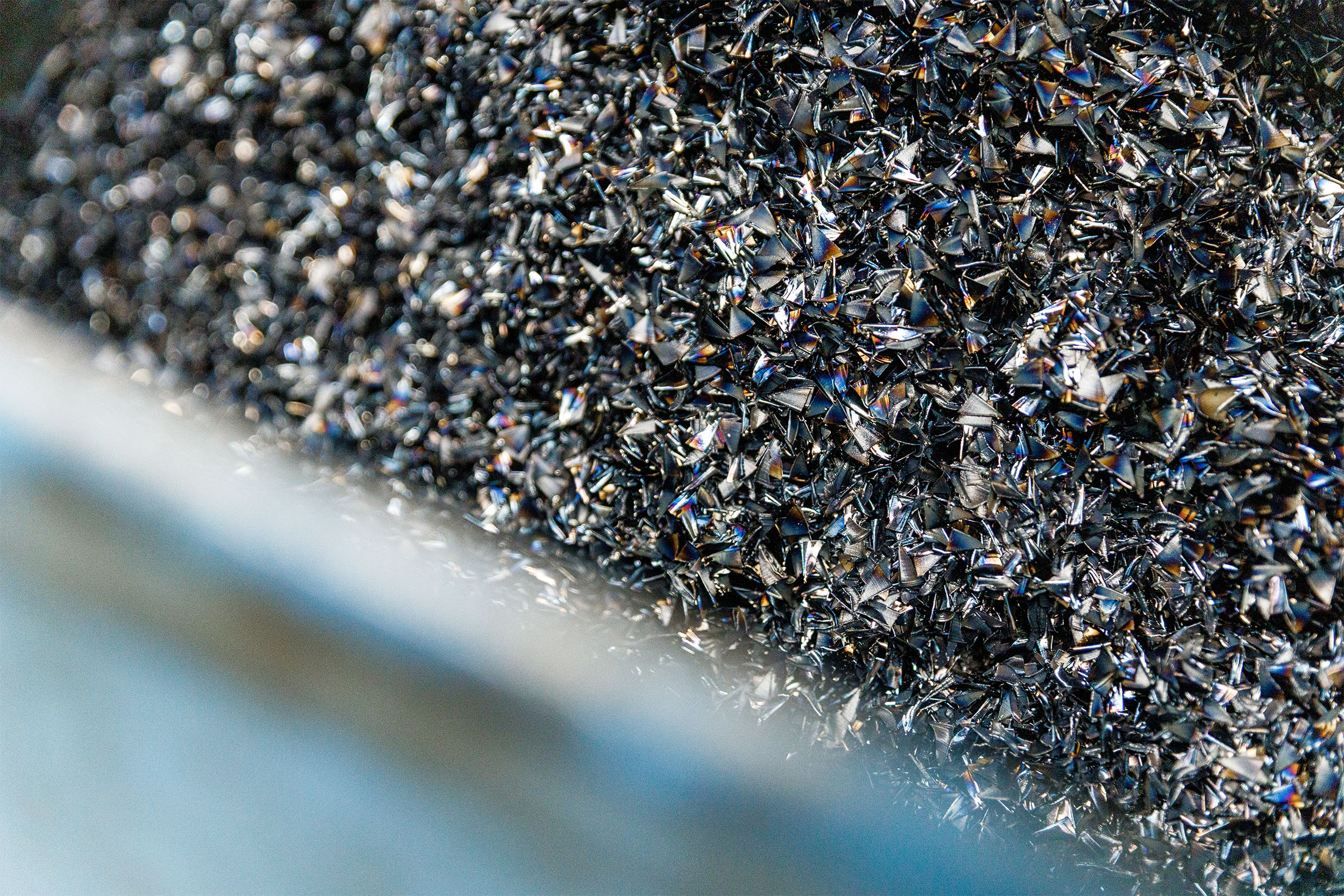
To ensure that components are manufactured with precise dimensions, processed cleanly, and reliably integrated into assemblies, the right manufacturing process is essential. HALLER Metall provides CNC milling, turning, and sawing services for sophisticated metal parts and technical components made of steel, stainless steel, aluminum, brass, copper, and POM.
HALLER Machinery for Milling and Turning in Pönning
Milling, turning, and sawing are among the core processes of machining. They are used whenever components need to be manufactured to precise dimensions, prepared cleanly, or designed exactly for further processing.
Which process is the best choice depends on the specific application: the component geometry, the material, the required tolerances, and the component’s subsequent function within the overall assembly.

CNC Milling, Turning, and Sawing – Our services
We offer a wide range of modern machining processes:
- CNC milling of steel, stainless steel, aluminum, brass, copper, and POM
- CNC turning and milling according to drawings or CAD data
- Turning of metal and engineering plastics
- Sawing of metal and POM for precise cutting to size for further processing
- CNC sawing of semi-finished products, raw materials, and profiles
- 3-axis, 4-axis, and 5-axis milling for various component geometries
- 2D and 3D CNC milling for contours, surfaces, and complex shapes
- Groove milling, contour milling, surface machining, and component preparation
- Individual parts, small-batch production, and mass production
- Further processing into assemblies
Since HALLER Metall combines various manufacturing steps under one roof, milling, turning, and sawing can be combined with other services such as laser cutting, CNC bending, or welding. This reduces interfaces and ensures that the next processing steps are taken into account for the components right from the start.
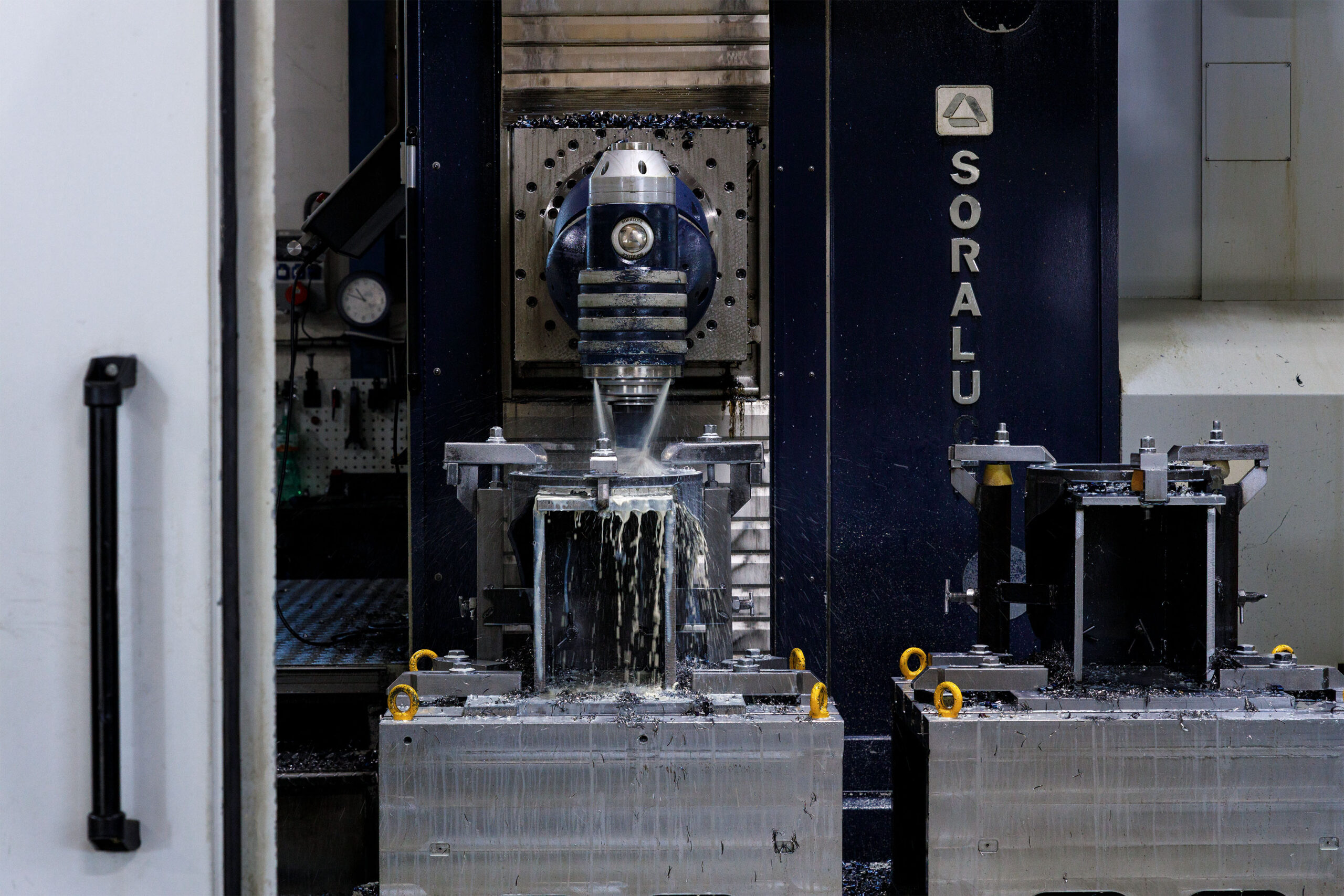
What is the difference between milling, turning, and sawing?
Milling, turning, and sawing serve different technical purposes. While milling is used to create complex contours and surfaces, turning is particularly well-suited for round components. Sawing is primarily used to cut raw materials or semi-finished products to size.
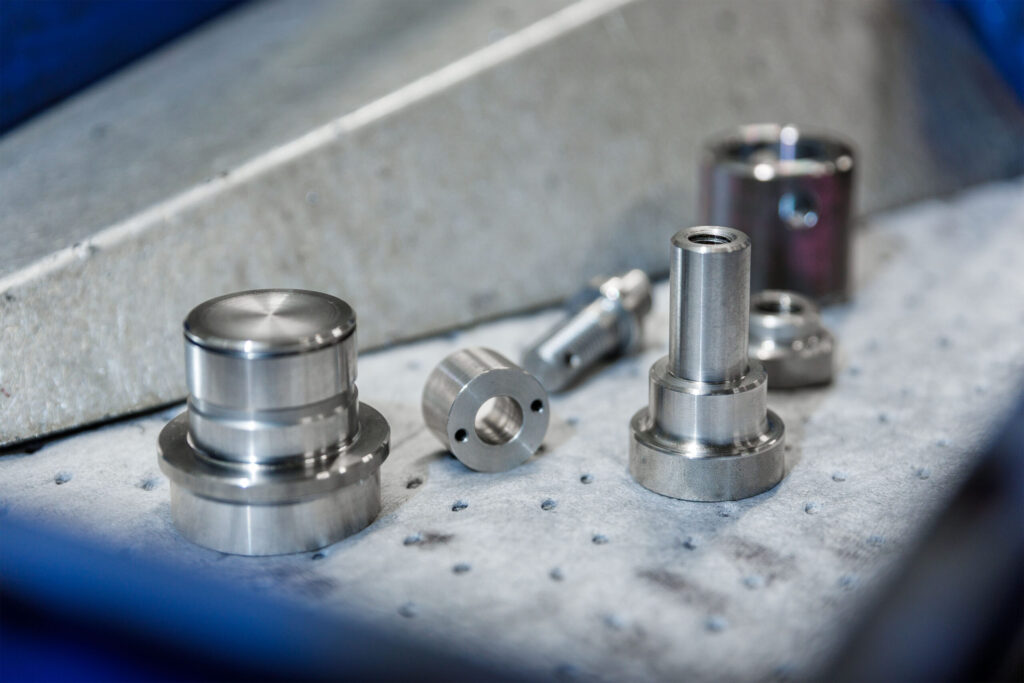
CNC Milling – Flexible for complex geometries
In CNC milling, rotating tools remove material from the workpiece. This allows for the precise production of surfaces, contours, pockets, grooves, hole patterns, and complex shapes.
The process is suitable for components where dimensional accuracy, surface quality, and geometry play a key role. Depending on the requirements, 3-axis, 4-axis, or 5-axis CNC milling machines are used, depending on the machining strategy. This offers a clear advantage for further processing: milled components can be prepared so that they can be easily assembled, welded, or integrated into subassemblies.
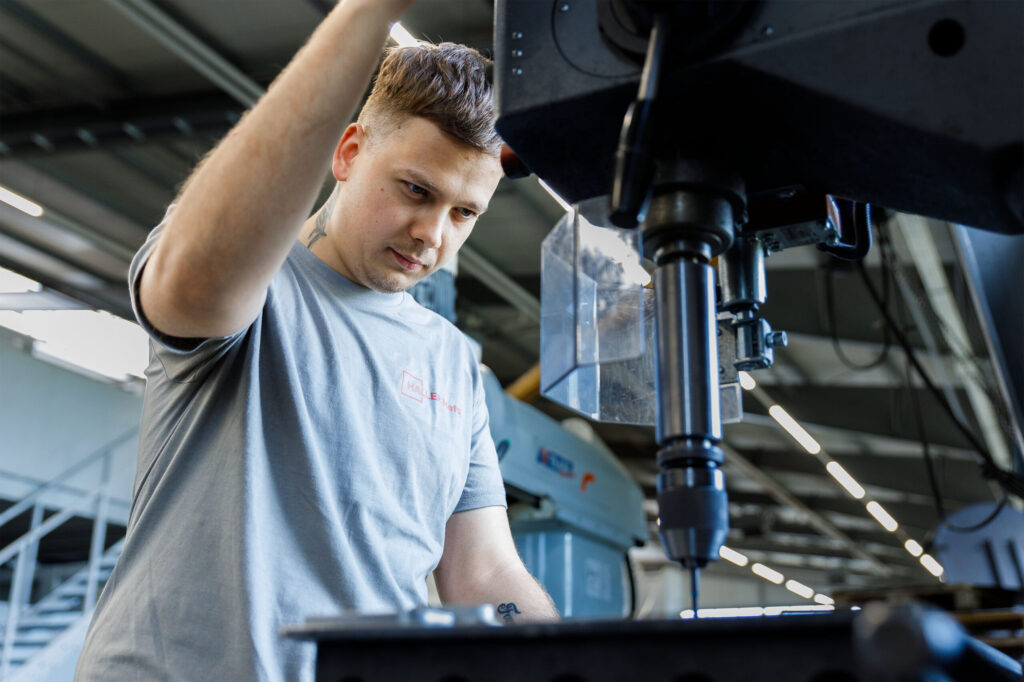
Turning – ideal for rotationally symmetric parts
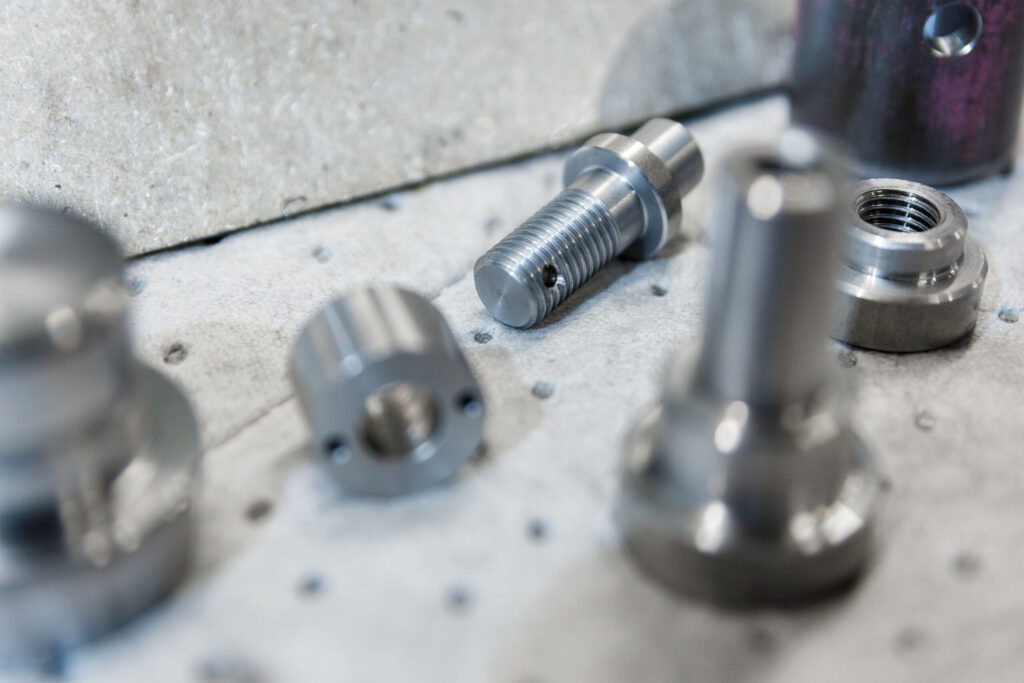
Unlike milling, in turning the workpiece rotates while a tool removes material in a controlled manner. Typical turned parts include bolts, bushings, shafts, sleeves, rings, and other cylindrical components.
Often, a single process is not sufficient. When a component combines round basic shapes with milled functional surfaces, turning and milling are effectively combined using driven tools in the lathe. This results in precisely fitting components for mechanical engineering, automotive manufacturing, medical technology, and other industrial sectors.
Sawing – Cost-effective for Cutting and Preparation
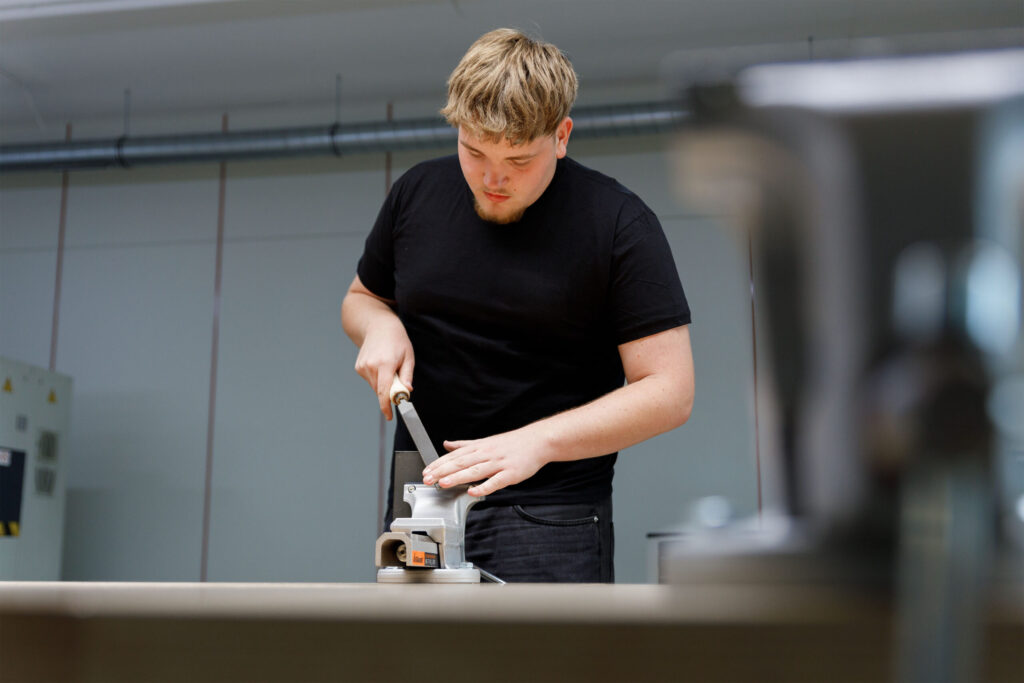
During the sawing process, raw materials, profiles, bars, or semi-finished products are cut to the required length. Sawing metal is often the first step before a component is subsequently milled, turned, bent, or welded.
Straight cuts or miter cuts can also be made, depending on the material, dimensions, and component geometry. The goal is always to prepare the material cost-effectively for the subsequent manufacturing steps.
When is each method appropriate?
- CNC Milling: for complex contours, surfaces, grooves, pockets, and precise geometric features
- Turning: for rotationally symmetric parts such as bolts, bushings, shafts, or sleeves
- Sawing: for cutting raw materials, semi-finished products, and profiles
- Combined Machining: when multiple geometries or machining steps are combined in a single component
If it is not yet clear which process is most suitable, we will review your drawing or CAD data. Based on this, we will evaluate the geometry, material, tolerances, and planned further processing.
Turning and Milling of Steel, Aluminum and other materials
Our portfolio of CNC milling, turning, and sawing services includes the machining of various materials:
- Steel
- Stainless steel
- Aluminum
- Brass
- Copper
- POM
Whether milling metal, turning metal, or milling aluminum, each material has its own specific requirements. Tools, cutting parameters, clamping techniques, tolerances, and surface quality must be tailored accordingly. Turning plastic – specifically, machining POM – also requires appropriate process control.
The possible dimensions, material thicknesses, and material grades can only be reliably assessed based on the component’s geometry. To provide a reliable estimate, we’ll review your drawing or CAD data.
The Advantages of Milling, Turning, and Sawing
Each process has its own strengths. The key factor is determining which machining method makes the most sense for your component, your tolerances, and its intended use.
Precision machining based on drawings or CAD data
Cost-effective manufacturing of individual parts, small batches, and production runs
Thorough preparation for assembly, welding, or subassembly production
Flexible combination of multiple manufacturing processes
Machining of various materials and material grades
Less coordination effort thanks to coordinated manufacturing processes
Applications for milled, turned, and saw-cut parts
Milled, turned, and saw-cut parts are used wherever precise components are required.
Typical applications include:
Mechanical Engineering
Vehicle Manufacturing
Medical Technology
Agricultural Machinery Technology
Plant Engineering
Metal Construction
Industry and Manufacturing
The parts are either further processed as individual components or assembled into subassemblies. These often include bearings, fasteners, mounts, deflectors, spacers, adapters, housing elements, base plates, or structural components.
HALLER's machinery for Milling, Turning and Sawing
HALLER Metall has state-of-the-art machines for milling, turning, and sawing at its Pönning and Domazlice locations.
Machines in Pönning
- Hedelius T6, 5-axis CNC milling machine with pendulum operation
- Heller H4000, 4-axis CNC milling machine
- Okuma Genuss 3000 with powered tools, CNC lathe with 1500 mm bar feeder
- Weiler 160B Praktikant, lathe
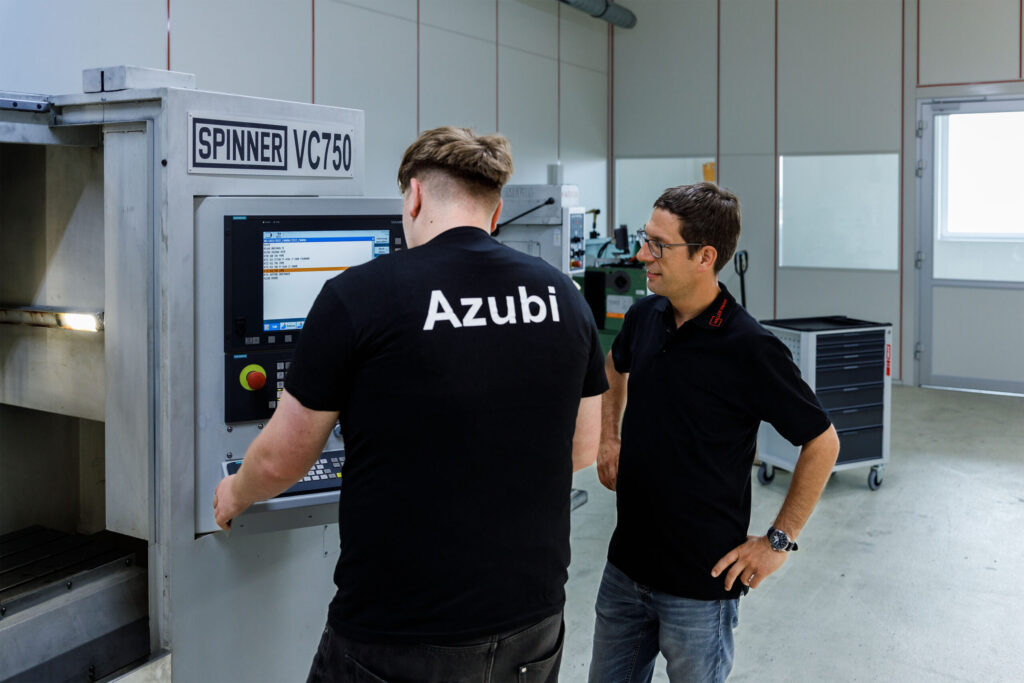
- Spinner VC750 milling machine
Machines in Domazlice
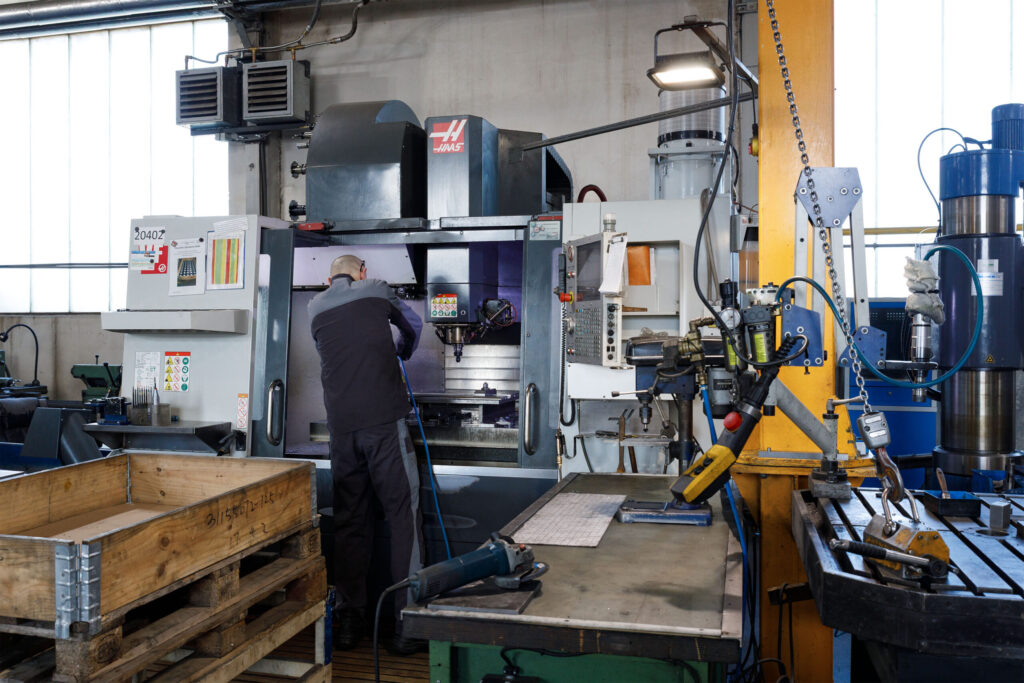
- Haas VF-3YT, X 1016 mm, Y 660 mm, Z 635 mm
- Anayak VH 4000 Plus 5-axis, X 4000 mm, Y 1200 mm, Z 1500 mm
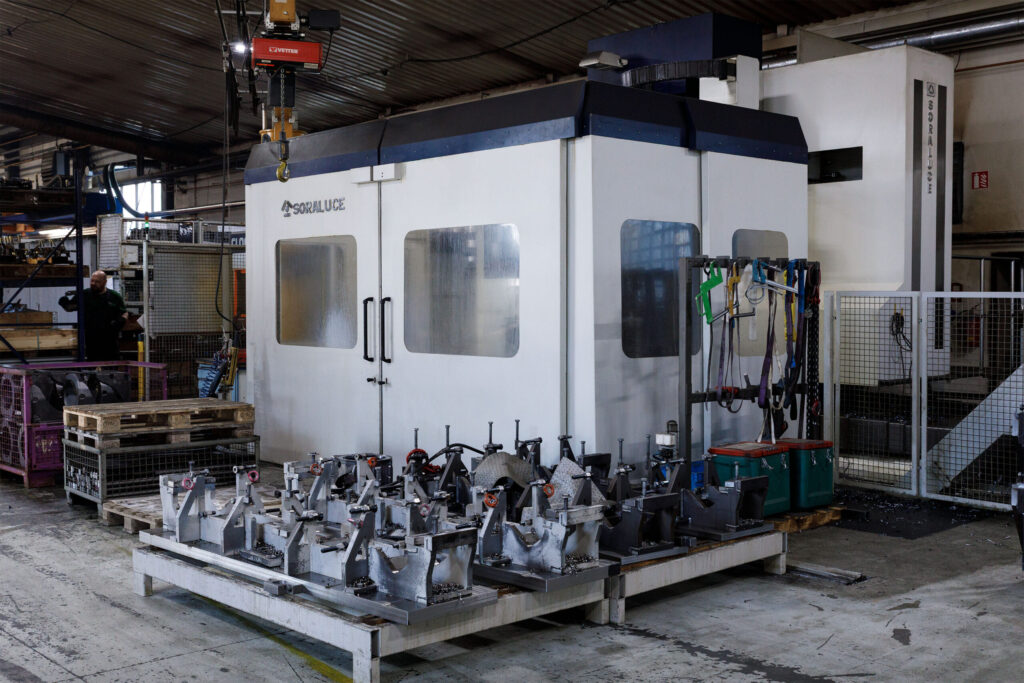
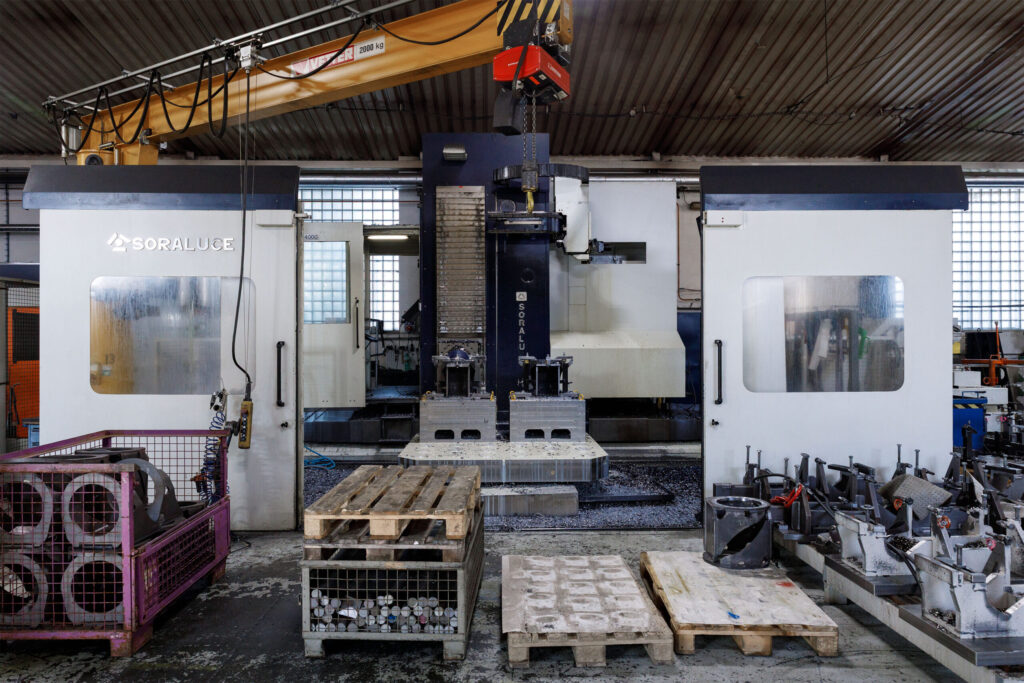
- Soraluce FL 4000 5-axis, X 2000 mm, Y 2000 mm, Z 2200 mm, rotary table 2000 mm x 2000 mm
- Meba CNC band saw
CNC Milling near you – your local partner
HALLER Metall is your partner for CNC milling, turning, and sawing in Bavaria and Domazlice.
Companies in the mechanical engineering, automotive, medical technology, agricultural machinery, and industrial sectors receive precise solutions for individual parts and assemblies.
Our regional proximity facilitates coordination, shortens travel distances, and ensures reliable execution – from technical clarification to the finished component.
Frequently asked questions about Milling, Turning, and Sawing
What materials can be machined using milling, turning, and sawing?
We machine steel, stainless steel, aluminum, brass, copper, and POM. The appropriate process depends on the material, geometry, tolerances, and intended application.
What sizes can be processed?
The possible dimensions depend on the part geometry, material, process, and machine. To provide a reliable estimate, we will review your drawing or CAD data as part of the quotation process.
What is the difference between turning and milling?
In turning, the workpiece rotates; in milling, the tool rotates. Turning is particularly suitable for round or rotationally symmetric parts. Milling is used when surfaces, contours, pockets, grooves, or complex geometries are required.
Does HALLER Metall offer plastic turning services?
Yes, engineering plastics such as POM can be machined. We will review your drawing or CAD data to determine whether plastic turning or POM machining is suitable for your component.
How much does CNC milling, turning, or sawing cost?
The costs depend on the material, component geometry, size, tolerances, quantity, and desired finishing. To provide you with an accurate quote, we ideally need a drawing or CAD data.
Request a quote for CNC milling, turning and sawing now!
Do you need precision-milled, turned, or sawed components made of steel, stainless steel, aluminum, brass, copper or POM?
Contact us for a customized quote for CNC milling, turning, and sawing.